1. The Critical Role of Modern Wheels
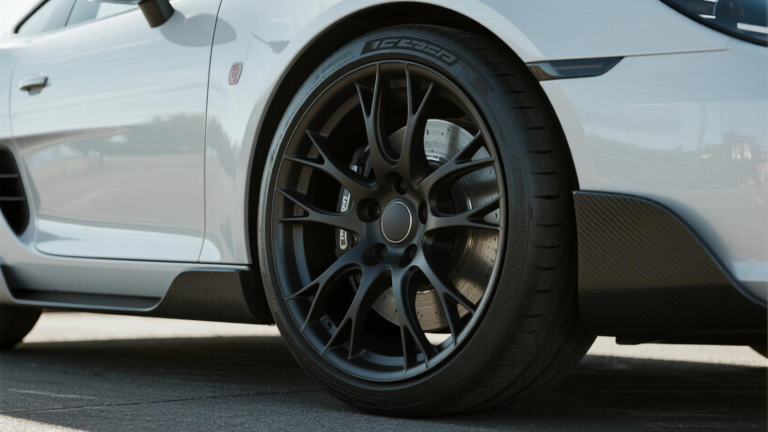
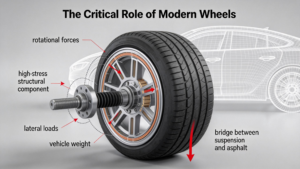
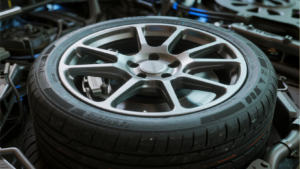
In the realm of automotive engineering, wheels serve as far more than just decorative mounting points for tires. They are high-stress structural components that must endure immense rotational forces, lateral loads during cornering, and the weight of the entire vehicle. A high-quality set of rims acts as a bridge between the suspension system and the asphalt, directly influencing how a car communicates with its driver.
2. Manufacturing Excellence: Casting vs. Forging
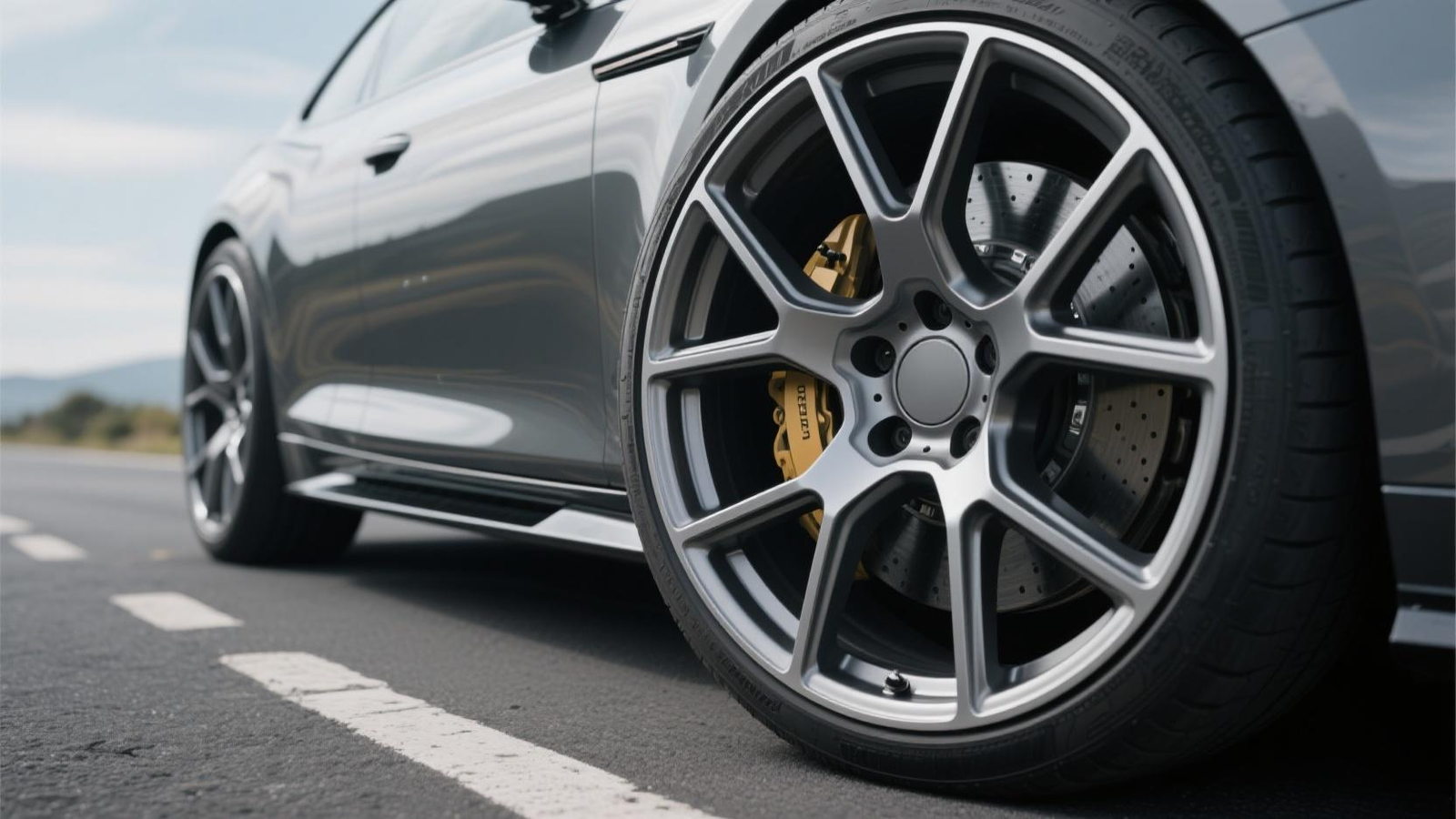
The most significant factor in the quality of wheels is the method by which they are manufactured. Gravity or low-pressure casting is the standard for mass-produced vehicles, offering a cost-effective balance between strength and design flexibility. However, performance enthusiasts often demand forged products. The forging process utilizes extreme thermal and mechanical pressure to shape a solid aluminum billet, creating a dense grain structure that allows for thinner spokes and significantly higher tensile strength.
3. Impact on Driving Dynamics and Unsprung Mass
Upgrading to lightweight alloy wheels is one of the most effective ways to enhance a vehicle’s agility. This improvement is primarily due to the reduction of “unsprung mass”—the weight not supported by the car’s springs. By shedding even a few kilograms per corner, the suspension can react more rapidly to road imperfections. This leads to sharper steering response, reduced braking distances, and more efficient acceleration, effectively transforming the overall driving character of the vehicle.
4. Understanding Fitment and Maintenance
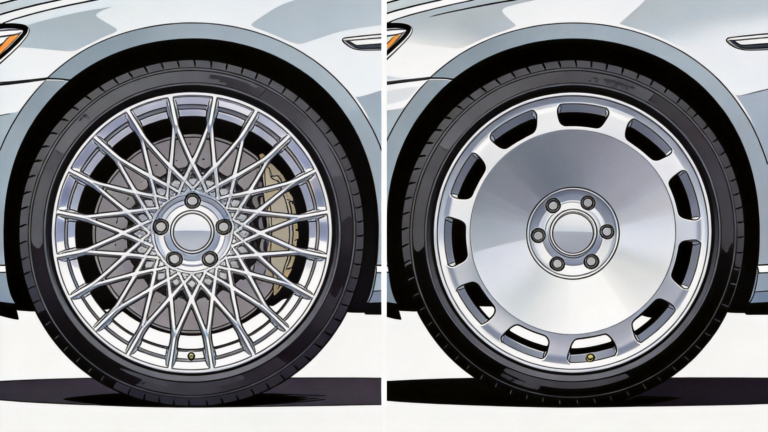
Selecting the perfect set of wheels requires technical precision. One must meticulously calculate the Pitch Circle Diameter (PCD), Center Bore, and Offset (ET) to ensure proper clearance for brake calipers and suspension struts. Furthermore, maintenance is paramount; brake dust is corrosive and can permanently pit the finish of premium rims if left unwashed. Regular inspections for structural cracks or bends caused by potholes are essential for maintaining high-speed safety and ensuring the longevity of your investment.