1. The Critical Interface with the Road
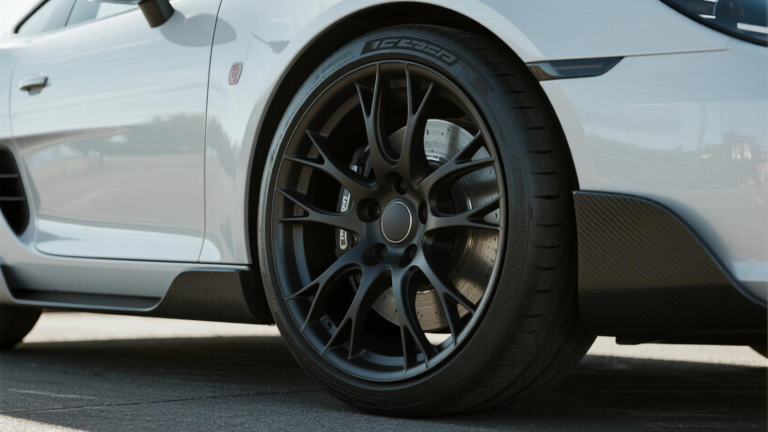
To begin with, the tire is the only component linking your vehicle to the pavement. It must support the entire weight of the car at all times. Furthermore, it manages the transmission of acceleration and braking forces to the ground. Consequently, its physical condition is paramount for overall driving safety. For this reason, selecting high-quality rubber is the most important maintenance decision.
2. Advanced Material Science and Compound Chemistry
Furthermore, modern manufacturing relies on complex chemical formulas for the rubber compounds. For instance, silica is often added to improve wet-weather traction. In addition, synthetic polymers provide the necessary flexibility across varying temperatures. Meanwhile, the hardness of the rubber determines the total lifespan of the tread. Therefore, engineers must optimize these materials for both performance and long-term durability.
3. Engineering the Perfect Tread Pattern
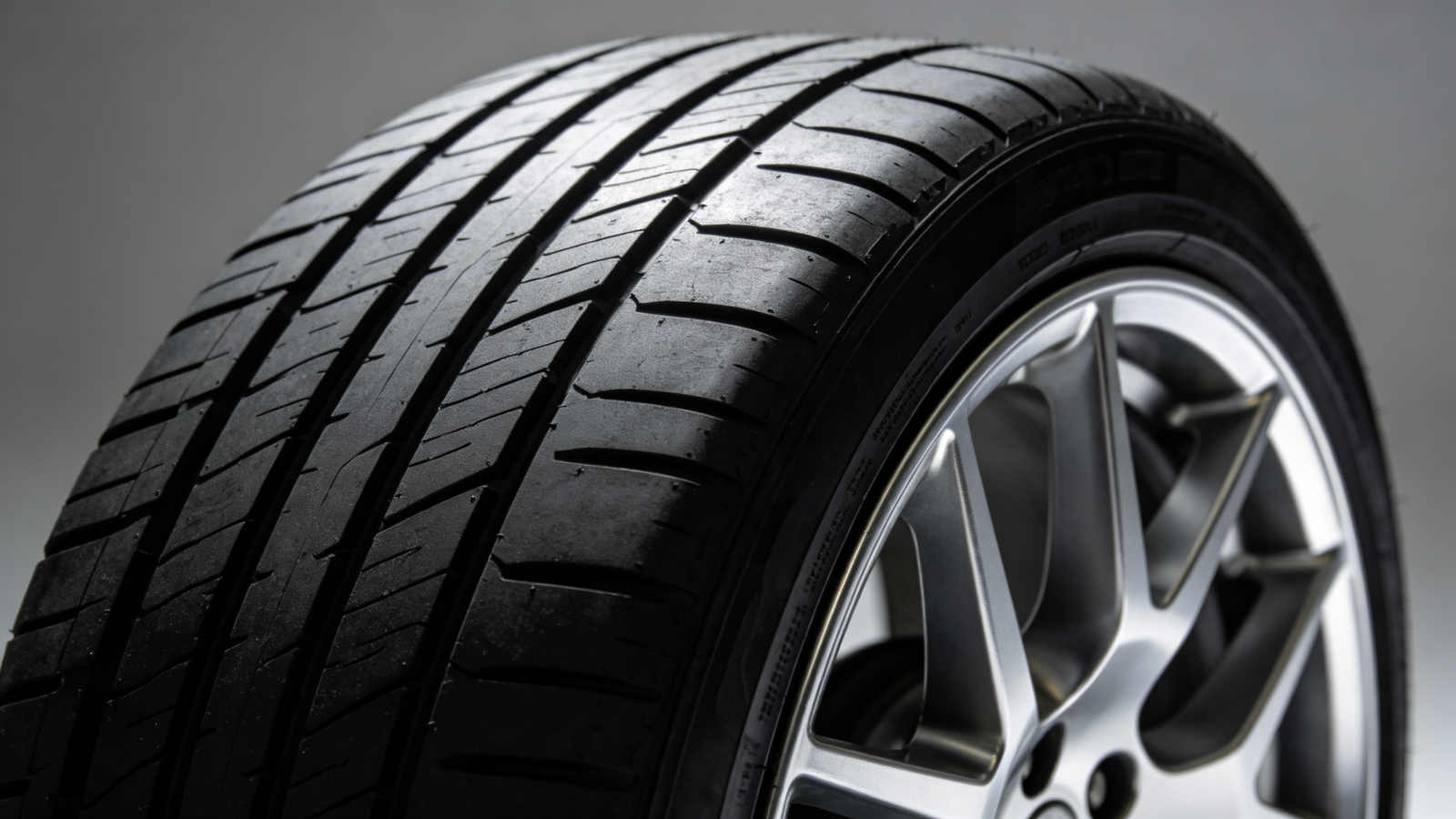
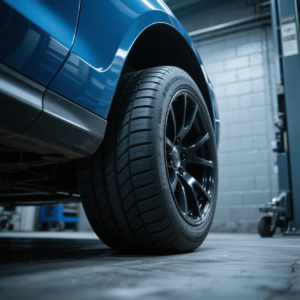
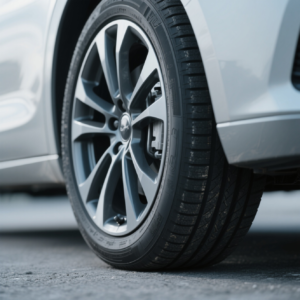
In addition to material science, the tread design plays a vital functional role. Deep longitudinal grooves are essential for efficient water displacement on wet roads. Consequently, this specific geometry prevents the dangerous phenomenon known as hydroplaning. Moreover, smaller sipes within the tread blocks enhance grip on icy surfaces. Thus, a well-designed tire ensures stability regardless of the current weather conditions.
4. The Economic Impact of Rolling Resistance
Moreover, the structural design directly influences the fuel efficiency of your vehicle. Specifically, low rolling resistance models require less energy to maintain motion. This leads to a significant reduction in carbon emissions and fuel costs. Therefore, investing in premium tire technology is beneficial for both your wallet and the environment. Eventually, these savings can offset the initial purchase price of the product.
5. Essential Maintenance for Longevity
Furthermore, consistent pressure checks are necessary to maximize the service life of your tire. Incorrect inflation levels can cause uneven wear and reduced handling precision. In addition, regular rotation helps to balance the wear patterns between front and rear axles. Therefore, you should consult your vehicle manual for the recommended maintenance schedule. Finally, these simple steps will guarantee a much smoother and safer journey.
6. Final Thoughts on Driving Integrity
In conclusion, understanding the engineering behind your wheels is vital for every driver. A reliable tire acts as a silent guardian during every mile of your trip. Consequently, you should never compromise on the quality of this essential safety component. Eventually, proper care and informed choices will lead to a more enjoyable driving experience.https://kelisitong.com/