1. The Dawn of Algorithmic Vehicle Design
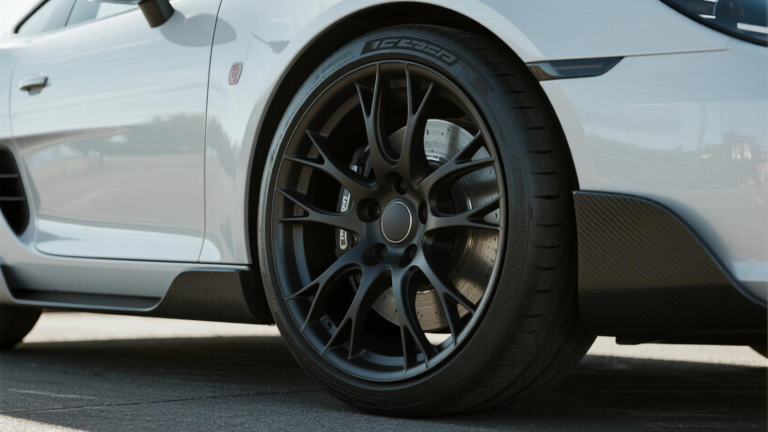
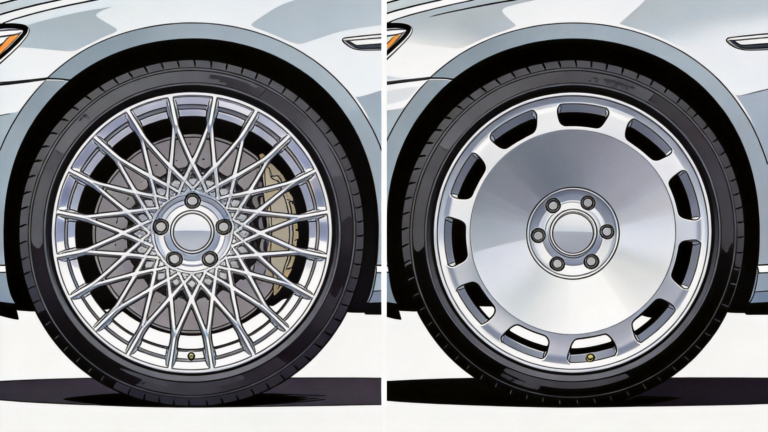
To begin with, the concept of a Digital Wheel Assembly represents a massive paradigm shift in automotive production. Engineers no longer rely on traditional manual drafting or standard tooling methods. Instead, sophisticated generative design algorithms create organic shapes optimized for specific stress paths. Consequently, this advanced approach allows for complex hollow geometries that were previously impossible to manufacture. Therefore, it opens a brand-new chapter for vehicular performance.
2. Weight Reduction Through Advanced Additive Forging
Furthermore, 3D printing technology infuses the Digital Wheel Assembly with incredible structural and physical advantages. For example, laser powder bed fusion can sinter high-strength titanium alloys layer by layer. In addition, this precise process ensures that metal is placed only where it is mechanically needed. Meanwhile, the elimination of excess material creates a component that is exceptionally light yet rigid. Thus, vehicles equipped with these parts gain immediate advantages in energy efficiency.
3. Shifting Dynamics with Biomimetic Lattice Structures
In addition to weight savings, a modern Digital Wheel Assembly often incorporates internal honeycomb or biomimetic lattice patterns. These intricate internal matrices act as secondary shock absorbers during high-speed travel. Consequently, they can dissipate road vibrations before they reach the main suspension components. Moreover, this uniform load distribution dramatically decreases the risk of localized material fatigue. Therefore, the overall safety and ride comfort are improved simultaneously.
4. Decentralized Production and On-Demand Customization
Moreover, utilizing a Digital Wheel Assembly format simplifies the global supply chain for premium automotive brands. Manufacturers can simply transfer digital CAD files to local 3D printing facilities worldwide. Consequently, this eliminates the need for expensive international shipping and warehouse storage fees. Furthermore, owners can easily request tailored aesthetic adjustments to match their vehicle’s exact trim. Eventually, this level of personalization will define the luxury car market.
5. Final Thoughts on Next-Generation Manufacturing
In conclusion, the evolution of the Digital Wheel Assembly showcases the unlimited power of digital manufacturing systems. It successfully bridges the gap between pure computer science and heavy industrial applications. Furthermore, ongoing research into sustainable metal powders will make this process much more eco-friendly. Finally, embracing these futuristic engineering methods will ensure that your vehicle stays ahead of the curve.https://kelisitong.com/